
A
B
C
E
F
G
I
J
K
M
N
P
R
S
T
U
V



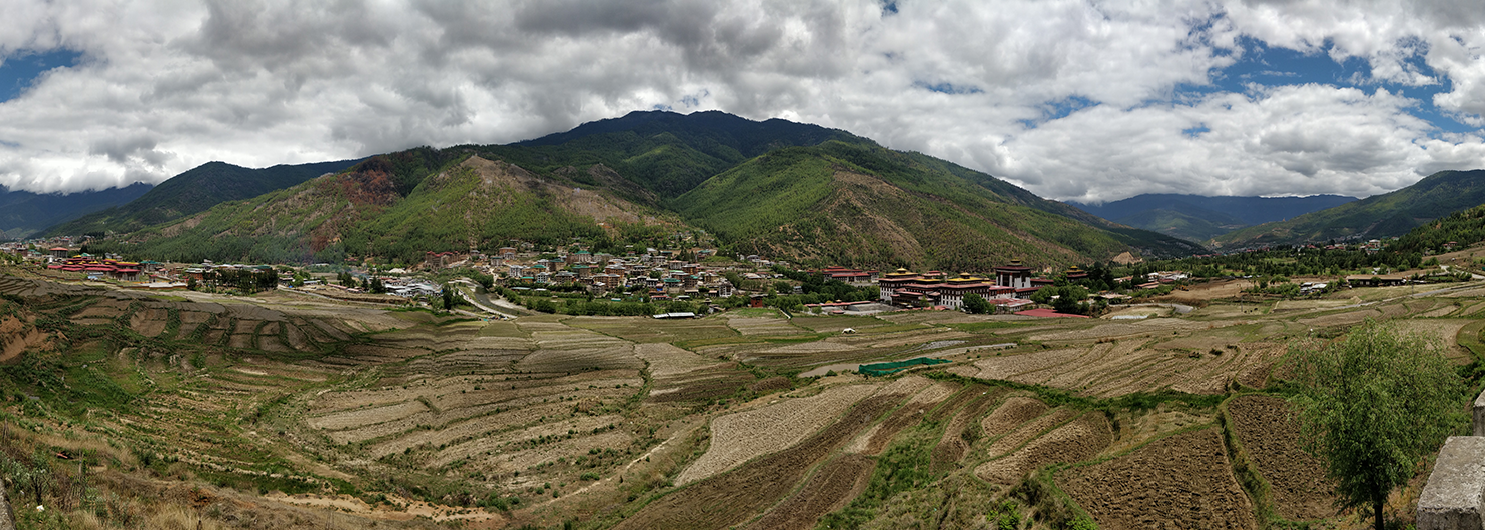
Bhutan’s National Parks & Wildlife Safaris
Discover Bhutan’s untouched wilderness with safaris through Jigme Dorji, Royal Manas, Bumdeling, and Sakteng. From snow leopards to black-necked cranes, explore pristine landscapes, rare species, and eco-friendly adventures in the Himalayas.
Bhutan’s Untamed Wilderness

Bhutan’s wilderness is one of the least disturbed ecosystems in the world, with dense forests covering more than 70% of the country. These vast stretches of greenery provide sanctuary to countless species, many of which are rare or endangered. Visitors are often struck by the untouched quality of these landscapes, where nature seems to thrive without interruption. The government’s focus on conservation ensures that modern development never overshadows natural balance. For travelers, this means stepping into a realm where wildlife roams freely and habitats remain pristine.
Bhutan’s approach to environmental protection is deeply tied to its cultural and spiritual values. Nature is seen as sacred, and preserving it is considered an act of devotion to both people and the planet. This philosophy has led to the establishment of protected national parks and wildlife sanctuaries across the country. These areas are not just tourist attractions but living ecosystems maintained with care. For visitors, exploring these spaces becomes both an adventure and a learning experience.
From the soaring Himalayan peaks to the subtropical lowlands, Bhutan’s terrain creates diverse habitats. Each region supports unique species and ecosystems, offering travelers different wildlife experiences. While one park might amaze you with snow leopards, another may fascinate you with golden langurs or Bengal tigers. This ecological variety makes Bhutan a destination where no two safaris feel the same. It’s a country that proves wilderness can be as varied as it is vast.
Jigme Dorji National Park – The Crown Jewel

Jigme Dorji National Park is Bhutan’s largest protected area, often considered the crown jewel of the kingdom’s conservation efforts. Spread across alpine meadows, glaciers, and deep river valleys, it offers a mix of breathtaking scenery and rich biodiversity. Wildlife enthusiasts can spot blue sheep, takins, snow leopards, and even Himalayan black bears here. The park’s sheer size makes it a wilderness in the truest sense, where adventure blends seamlessly with discovery. For couples or groups, it offers thrilling safaris with a backdrop of majestic Himalayan peaks.
The park is not just about wildlife—it is also a cultural haven. Ancient fortresses, monasteries, and yak-herding villages dot its landscapes, giving travelers a taste of Bhutanese traditions. Walking trails often lead you past prayer flags fluttering in the wind, reminding you that culture and nature coexist here. Local guides enrich the experience by sharing folklore tied to the mountains and animals. This mix of storytelling and exploration makes the journey more personal and memorable.
Another highlight of Jigme Dorji National Park is its accessibility compared to other wilderness areas. While it covers vast terrain, it lies close to Thimphu and Paro, making it easier for travelers to add it to their itinerary. Whether you choose a guided safari, a cultural hike, or simply a peaceful retreat amidst the mountains, the park promises variety. It’s a place where you can move from spotting rare wildlife to experiencing authentic Bhutanese life within a single day.
Royal Manas National Park – The Oldest Treasure

Royal Manas National Park holds the title of Bhutan’s oldest protected area, known for its subtropical forests and vibrant wildlife. Unlike the alpine parks, this region thrives with elephants, rhinos, and water buffalo, making it strikingly different. Birdwatchers especially love it here, as hundreds of species, including the great hornbill, call the park home. The diversity of wildlife makes every safari a surprise-filled adventure. For those seeking variety, Royal Manas is the heart of Bhutan’s ecological wealth.
Cultural encounters here are equally enriching. Villages surrounding the park are home to warm communities that live in harmony with the forest. Traditional farming and age-old practices still thrive, offering insight into Bhutanese rural life. Spending time with locals gives travelers a chance to understand how humans and nature can coexist sustainably. It’s an experience where the boundaries between culture and wilderness blur beautifully.
Another standout feature of Royal Manas is its cross-border connection with India’s Manas National Park, a UNESCO World Heritage Site. This continuity of wilderness allows species to migrate freely and flourish across borders. Safaris here often feel more expansive because of this shared ecosystem. For travelers, it adds a sense of scale and significance to the adventure. You’re not just visiting a park—you’re entering a natural corridor vital for Asia’s wildlife survival.
Bumdeling Wildlife Sanctuary – Haven for Rare Species

Bumdeling Wildlife Sanctuary is renowned for being the winter home of the endangered black-necked crane. Every year, these graceful birds migrate here, attracting nature lovers and photographers from around the world. The sight of cranes gliding against snow-capped peaks is nothing short of magical. Beyond cranes, the sanctuary shelters other rare species, including red pandas and Himalayan musk deer. It’s a place where fragile ecosystems are carefully protected.
Traveling through Bumdeling offers more than wildlife encounters—it’s also a cultural journey. The sanctuary includes villages where age-old traditions are preserved, often in harmony with conservation efforts. Visitors can explore monasteries, handicraft centers, and festivals that celebrate both nature and spirituality. This balance gives Bumdeling a unique identity as a destination where conservation meets culture.
For eco-conscious travelers, Bumdeling feels like a lesson in responsible tourism. Guided tours emphasize respecting wildlife and minimizing human impact. Conservation projects are often open to visitors, creating opportunities to learn and contribute. It’s an ideal stop for those who want their travels to support positive change. In Bumdeling, every step taken is part of a larger effort to protect Bhutan’s ecological treasures.
Sakteng Wildlife Sanctuary – Land of Mystique

Sakteng Wildlife Sanctuary is among Bhutan’s most unique protected areas, located in the remote eastern region. Known as the land of the mythical yeti, it blends folklore with breathtaking landscapes. The sanctuary’s rolling grasslands and thick forests make it home to red pandas, Himalayan foxes, and countless bird species. Its untouched beauty and mysterious aura captivate adventurers who prefer paths less traveled. For many, it feels like stepping into a living legend.
Sakteng is also culturally rich, as it houses semi-nomadic Brokpa communities. These herders maintain unique traditions, distinct clothing, and a way of life that remains largely unchanged for centuries. Meeting the Brokpas offers travelers a glimpse into a rare culture closely tied to the land. Festivals, music, and oral storytelling are part of the experience, making visits culturally immersive.
Because of its remoteness, reaching Sakteng requires effort, but the rewards are immense. Few tourists venture here, so the wilderness feels deeply personal and unspoiled. The sanctuary’s isolation makes it perfect for travelers seeking solitude and authenticity. Exploring Sakteng is not just about wildlife—it’s about embracing Bhutan’s spiritual and cultural mysteries too.
Wildlife Safaris & Experiences

Bhutan’s safaris differ from the jeep rides common in other countries. Here, safaris often mean guided treks, nature walks, and river journeys designed to minimize disruption to habitats. Travelers may find themselves floating down rivers to spot birds, or hiking quietly to catch glimpses of elusive mammals. These intimate approaches make encounters more rewarding and memorable. The slower pace ensures that every detail of the environment is appreciated.
Community-based tourism adds another dimension to Bhutan’s safaris. Locals often serve as guides, blending storytelling with ecological knowledge. This creates experiences that are deeply rooted in culture as well as conservation. Staying in homestays or eco-lodges allows travelers to live close to nature while supporting sustainable livelihoods. It’s a model that benefits both wildlife and the communities who coexist with them.
For adventurous couples or families, Bhutan’s wildlife safaris offer a blend of excitement and tranquility. Unlike mass-market destinations, the country’s parks remain uncrowded and serene. This exclusivity makes every safari feel private and meaningful. Whether it’s watching a rare bird or hearing the roar of a tiger in the distance, Bhutan ensures that nature always leaves a lasting impression.
Ready To Plan
Your Tour?
Whatever you want from your Tour, Our team of expert travel designers are ready to help.


Inc. 8 The Green, Suite B, Dover, DE USA, 19901
Phone:
58 New Bedford Road, Luton, England, LU1 1SH
Phone:
News
Links
Subscribe
© 2026 LUXAFAR. Powered By IDEABOX