
A
B
C
E
F
G
I
J
K
M
N
P
R
S
T
U
V



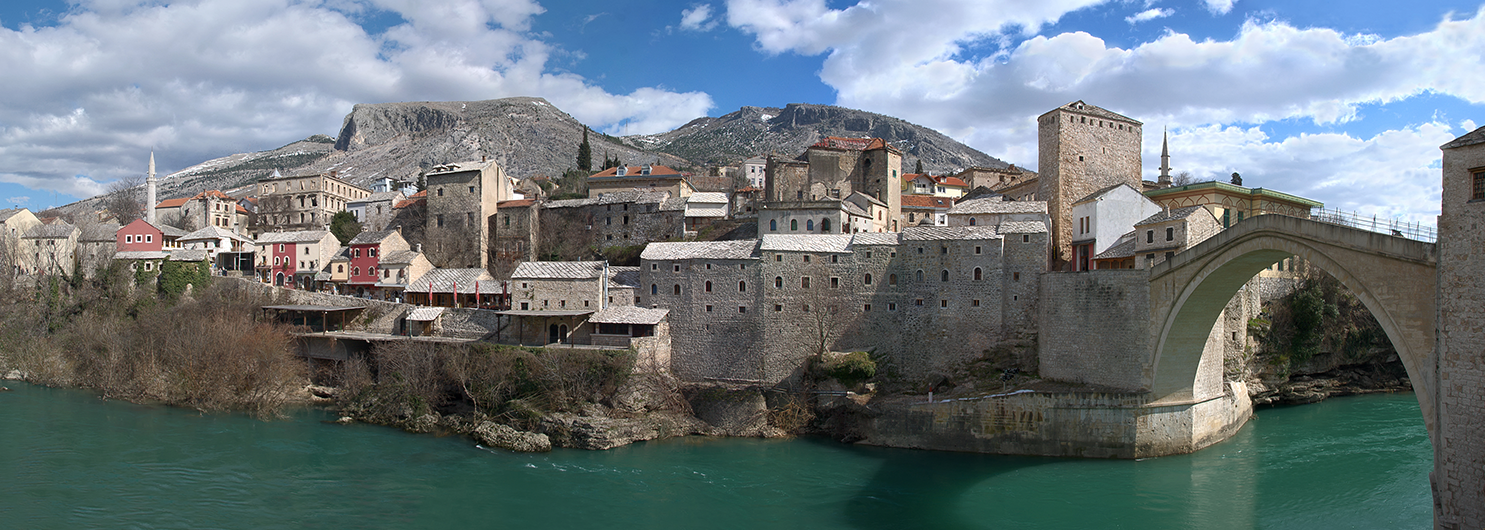
Bosnia’s Cultural Mosaic
Discover Bosnia and Herzegovina’s unique cultural identity, shaped by centuries of Ottoman, Austro-Hungarian, Slavic, and Mediterranean influences. From historic towns and traditional crafts to coffee culture and architectural treasures, this journey reveals a destination where diverse traditions continue to thrive side by side.
Bosnia: A Crossroads of Civilizations

Bosnia and Herzegovina has long stood at the meeting point of different empires, cultures, and traditions. Over the centuries, Ottoman, Austro-Hungarian, Slavic, and Mediterranean influences have shaped its cities, customs, and way of life. This unique blend gives the country a cultural identity unlike anywhere else in Europe.
Traveling through Bosnia often feels like experiencing multiple destinations within one journey. Historic mosques, Orthodox churches, Catholic cathedrals, and centuries-old marketplaces exist side by side, creating an atmosphere of remarkable diversity. The country's heritage is visible not only in monuments but also in everyday life.
For travelers seeking authentic cultural experiences, Bosnia offers depth and variety. Every town reveals a different chapter of the country's story, while local traditions continue to thrive in homes, cafés, and community gatherings. It is a destination where history remains an active part of the present.
Sarajevo’s Blend of East and West

Sarajevo is perhaps the clearest example of Bosnia's cultural fusion. The city combines Ottoman-era streets and bazaars with elegant Austro-Hungarian architecture, creating a fascinating contrast that can be explored on foot. Every neighborhood reflects a different period in the city's development.
The historic heart of Sarajevo remains full of traditional workshops, cafés, and local businesses that have served the community for generations. Visitors can wander through narrow lanes where craftsmen continue practices passed down through families. These spaces preserve a strong connection to the city's past.
At the same time, Sarajevo embraces modern creativity through galleries, restaurants, and cultural institutions. This balance between heritage and contemporary life gives the city its unique energy. For many travelers, Sarajevo becomes the highlight of a cultural journey through Bosnia.
Mostar and the Legacy of Ottoman Heritage

Mostar is one of Bosnia's most iconic destinations, celebrated for its historic character and beautiful riverside setting. The city developed as an important trading center during the Ottoman era, and much of that heritage remains visible today. Stone streets, traditional buildings, and historic landmarks create a timeless atmosphere.
The old quarter of Mostar invites visitors to slow down and explore. Artisan shops, local cafés, and family-run businesses line the streets, offering insight into the traditions that continue to shape daily life. The city's cultural identity feels both preserved and vibrant.
Mostar's appeal extends beyond architecture. The surrounding region contributes local cuisine, winemaking traditions, and a relaxed lifestyle that reflects the character of Herzegovina. Together, these elements create one of the most memorable cultural experiences in the country.
Traditional Crafts and Artisan Heritage

Craftsmanship remains an important part of Bosnia's cultural landscape. Across the country, artisans continue producing handmade goods using techniques that have been preserved for generations. Copperwork, woodcarving, weaving, and traditional jewelry making remain closely connected to local identity.
Markets and workshops provide opportunities to observe these skills firsthand. Rather than being purely tourist attractions, many artisan businesses continue to serve local communities while preserving valuable cultural knowledge. This authenticity makes the experience especially rewarding for visitors.
For travelers interested in heritage and creativity, Bosnia's artisan traditions offer a deeper understanding of the country. Each handmade piece reflects regional influences, family histories, and a commitment to preserving cultural heritage through craftsmanship.
Bosnian Coffee and the Art of Hospitality

Coffee occupies a special place in Bosnian culture and represents much more than a daily beverage. Traditional coffee rituals encourage conversation, connection, and unhurried social interaction. Sharing coffee is often seen as an expression of hospitality and friendship.
In many towns and cities, traditional cafés remain gathering places where locals spend time discussing family, work, and community life. The atmosphere is relaxed, encouraging visitors to slow down and appreciate the rhythm of everyday Bosnian culture. These experiences often become some of the most memorable moments of a trip.
Hospitality extends beyond cafés and restaurants. Visitors frequently encounter a genuine warmth that reflects the country's strong social traditions. Whether in cities or rural communities, guests are welcomed with generosity that leaves a lasting impression.
Faith, Architecture, and Cultural Diversity

Bosnia's religious and cultural diversity is one of its defining characteristics. Different faith communities have contributed to the country's architecture, traditions, and social landscape for centuries. This coexistence has shaped many of Bosnia's most remarkable cultural landmarks.
Travelers can encounter mosques, churches, monasteries, and synagogues throughout the country, often within the same city. These structures not only serve religious purposes but also tell stories about Bosnia's historical development and cultural exchange. Their architecture reflects influences from both East and West.
Exploring these sites provides valuable insight into the country's identity. They reveal how different communities have contributed to Bosnia's heritage while maintaining their own traditions. The result is a cultural landscape that feels both diverse and interconnected.
Festivals, Music, and the Living Spirit of Bosnia

Bosnia's cultural traditions continue to thrive through music, festivals, and community celebrations. Throughout the year, towns and cities host events that showcase local heritage, contemporary creativity, and regional customs. These gatherings bring communities together and offer visitors an authentic cultural experience.
Traditional music remains an important part of Bosnian identity, often performed during celebrations, festivals, and family occasions. The melodies and instruments reflect influences from various cultures that have shaped the region over centuries. Music serves as a powerful connection between generations.
Festivals also highlight Bosnia's artistic and creative energy. From cultural celebrations to modern arts events, they demonstrate how the country continues to evolve while respecting its traditions. For Luxafar travelers, these experiences provide a meaningful way to engage with Bosnia's living culture and vibrant community spirit.
Ready To Plan
Your Tour?
Whatever you want from your Tour, Our team of expert travel designers are ready to help.


Inc. 8 The Green, Suite B, Dover, DE USA, 19901
Phone:
58 New Bedford Road, Luton, England, LU1 1SH
Phone:
News
Links
Subscribe
© 2026 LUXAFAR. Powered By IDEABOX