
A
B
C
E
F
G
I
J
K
M
N
P
R
S
T
U
V



Colombia's Festivals and Heritage
Colombia is a country where art, rhythm, and celebration intertwine with everyday life. From carnival streets painted with dance and laughter to towns brimming with murals and music, its creative pulse never fades. Explore the cultural wonders that reveal the true colors of Colombia’s soul — a place where tradition and imagination live in harmony.
A Land Where Celebration Never Sleeps

Colombia’s spirit is painted in rhythm and color — a place where festivals aren’t events, but a way of life. From Andean towns to Caribbean coasts, every celebration reflects centuries of history and local pride. The air fills with drums, dance, and laughter, drawing visitors into a world where joy feels timeless.
For travelers seeking authenticity, Colombia’s festivals reveal its heart more than any monument could. Here, communities don’t just perform traditions — they live them with unmatched intensity. The result is a calendar of vibrant experiences that blend faith, folklore, and creativity in breathtaking harmony.
Each region adds its unique brushstroke to the country’s cultural canvas. Whether it’s a carnival parade or a rural artisan fair, every moment speaks to the nation’s collective soul — proud, diverse, and ever-evolving.
The Magic of Barranquilla Carnival

No festival embodies Colombian exuberance quite like Carnaval de Barranquilla, one of UNESCO’s Intangible Cultural Heritages. For four days, this Caribbean city explodes in color — masks, feathers, and music filling every street. The parades tell tales of African, Indigenous, and Spanish influences that shaped Colombia’s cultural identity.
The Carnival Queen leads a whirlwind of cumbia dancers and marimondas, blending satire, tradition, and spectacle. Each costume, handcrafted for months, becomes a moving work of art that captures Colombia’s festive imagination. Visitors can’t help but dance, cheer, and lose themselves in this contagious rhythm.
Beyond its glamour, Barranquilla’s carnival is a tribute to community creativity. It brings together generations who preserve tradition while reinventing it each year — proving that culture, here, is a living heartbeat.
The Flower Fair in Medellín

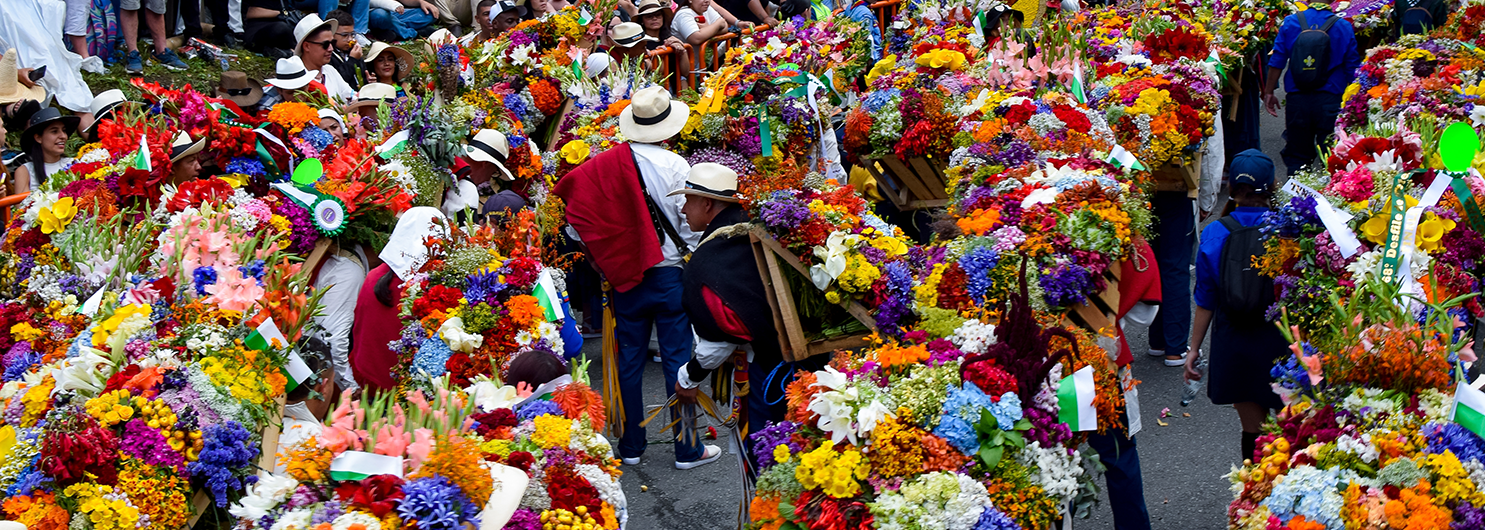
Every August, Medellín’s Feria de las Flores transforms the “City of Eternal Spring” into a botanical wonderland. Streets bloom with silletas — intricate floral displays carried by local farmers from the nearby hills. These proud silleteros symbolize Medellín’s resilience and connection to its rural roots.
The festival celebrates more than flowers; it celebrates renewal. Once known for its dark past, Medellín now bursts with color, creativity, and optimism. Visitors stroll through parades, concerts, and open-air exhibitions that showcase the city’s transformation into a modern, artistic hub.
Each petal tells a story of perseverance, and each smile mirrors Medellín’s rebirth. To witness this fair is to see how nature and artistry intertwine to shape Colombia’s new identity.
Pasto’s Carnival of Blacks and Whites

In the southern highlands, Carnaval de Negros y Blancos offers a unique fusion of unity and diversity. Declared by UNESCO as a cultural masterpiece, it celebrates equality and harmony among people of all backgrounds.
The festival begins with “Day of the Blacks,” where everyone paints their faces in solidarity, followed by “Day of the Whites,” when the city becomes a cloud of foam and talc. Gigantic floats, hand-carved masks, and music turn Pasto into a dreamlike world.
What makes this carnival magical is its message — joy as resistance, celebration as connection. It’s Colombia’s reminder that beauty lies in its differences, and harmony blooms when everyone joins the dance.
Music and Soul in the Pacific

Colombia’s Pacific coast offers a very different kind of celebration — one born from ancestral rhythms and ocean tides. In towns like Timbiquí and Buenaventura, Petronio Álvarez Festival honors Afro-Colombian music with marimba beats and soul-stirring vocals.
This festival feels like stepping into the heart of a song. Dancers move barefoot on wooden stages, their movements echoing centuries of heritage. The air smells of coconut, sea breeze, and traditional cuisine cooked to the pulse of percussion.
Beyond entertainment, it’s a celebration of identity and pride. It invites visitors not only to watch but to listen — deeply — to a culture that has turned struggle into art.
Artisans, Handcrafts, and Hidden Heritage

Colombia’s creative soul thrives beyond its festivals, in workshops tucked into mountain towns and coastal villages. From filigree jewelry in Mompox to handmade hammocks in San Jacinto, each craft reflects generations of skill and storytelling.
Travelers can meet artisans shaping clay, weaving fibers, or carving wood — all preserving techniques passed down for centuries. These crafts connect Colombia’s people to their ancestors and landscapes in profound ways.
For couples and culture-seekers alike, exploring these craft towns feels intimate and personal. You don’t just take home souvenirs — you carry a piece of Colombia’s living history.
The Spirit Behind the Celebrations

Colombians don’t celebrate to impress; they celebrate to express. Every festival, song, or craft emerges from deep cultural roots that bind the nation together. It’s not performance — it’s pride.
Whether you find yourself covered in flower petals in Medellín or dancing through foam in Pasto, each experience leaves a mark. You’ll feel the rhythm of life — vibrant, passionate, and profoundly human.
In the end, Colombia’s festivals aren’t just events on a calendar. They’re love letters from a people who know that art, color, and connection are what make life extraordinary.
Ready To Plan
Your Tour?
Whatever you want from your Tour, Our team of expert travel designers are ready to help.


Inc. 8 The Green, Suite B, Dover, DE USA, 19901
Phone:
58 New Bedford Road, Luton, England, LU1 1SH
Phone:
News
Links
Subscribe
© 2026 LUXAFAR. Powered By IDEABOX