
A
B
C
E
F
G
I
J
K
M
N
P
R
S
T
U
V



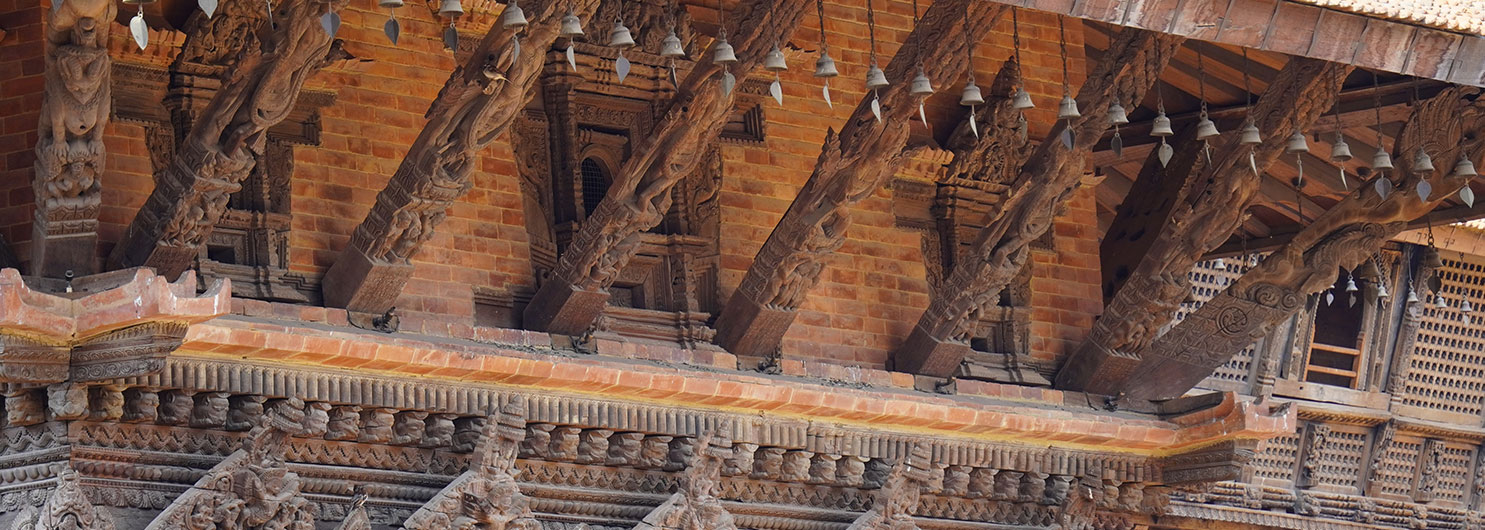
Cultural Trails Beyond Kathmandu
Go beyond Kathmandu’s UNESCO sites to explore Patan’s artistry, Bhaktapur’s festivals, Janakpur’s Mithila art, and Lumbini’s monasteries. Discover Nepal’s cultural depth through local crafts, cuisine, and traditions.
Nepal’s Culture Beyond Kathmandu’s UNESCO Squares

When travelers think of Nepal’s culture, the image often begins and ends with the Kathmandu Valley. The stupas of Boudhanath and Swayambhunath, the carved palaces of Durbar Square, and the medieval alleys of Bhaktapur create an unforgettable introduction to the country’s heritage. Yet Nepal’s story extends far beyond these famous landmarks, reaching into towns and regions where culture breathes with authenticity and intimacy.
Venturing outside the capital reveals a cultural fabric woven with diverse traditions, languages, and artistry. Each destination holds its own narrative—be it the spiritual calm of Lumbini, the living arts of Janakpur, or the hilltop grace of Tansen. For travelers seeking experiences deeper than sightseeing, these journeys offer chances to engage with artisans, festivals, and communities.
Exploring these trails feels like peeling back layers of history while connecting with the present. Temples rise against mountain horizons, colorful festivals brighten narrow streets, and ancient skills survive in workshops passed down for generations. Together, they show that Nepal is not a single cultural landscape but a mosaic of voices waiting to be heard.
Patan – Artistry, Museums, and Authentic Newari Heritage

Patan, also known as Lalitpur, sits just across the Bagmati River from Kathmandu yet feels like a world of its own. Its Durbar Square is adorned with intricately carved temples, golden spires, and statues that speak to centuries of devotion. Beyond the monuments, the spirit of Patan lies in its courtyards, where daily life unfolds around shrines and fountains with quiet grace.
Art lovers find Patan particularly captivating. The city is home to the Patan Museum, one of South Asia’s finest collections of religious art and architecture. Exhibits here reveal the depth of Buddhist and Hindu traditions while placing them in a broader cultural context. For couples and solo travelers alike, it offers a thoughtful pause within the busyness of travel.
But Patan is not only about history—it’s about living heritage. Metalworkers, stone carvers, and wood artisans still practice their crafts in tucked-away workshops, offering visitors a chance to watch art being made in real time. Sharing a moment with these artisans bridges centuries and connects travelers with the enduring heart of Newari culture.
Bhaktapur – Living History, Festivals, and Handicraft Workshops

Bhaktapur, the “City of Devotees,” is often described as a living museum. Its narrow brick lanes and towering pagodas preserve the medieval character that has long fascinated visitors. Walking through Bhaktapur feels like stepping into a different era, where time slows and every corner reveals artistry embedded in daily life.
Festivals here add layers of vibrancy. During Bisket Jatra, towering chariots roll through the streets as crowds cheer and music fills the air. Tihar, known as the festival of lights, turns the town into a glowing wonderland of oil lamps and flower garlands. For visitors, joining these events offers an emotional window into Nepal’s communal spirit.
Bhaktapur also thrives on its crafts. Pottery Square is a hub where artisans mold clay into traditional vessels, while workshops invite travelers to try their hand at the wheel. Hand-woven textiles and intricately carved masks make meaningful souvenirs, each carrying the town’s legacy. Experiencing Bhaktapur is not just about observing history but becoming part of its ongoing story.
Janakpur – Mithila Art, Janaki Mandir, and Colorful Traditions

Janakpur, located in Nepal’s Terai plains, is a city alive with color and devotion. It is best known for the Janaki Mandir, a grand temple dedicated to Sita from the Ramayana epic. The temple’s white domes and ornate arches attract pilgrims year-round, creating a sacred atmosphere that blends legend with daily worship.
What makes Janakpur extraordinary is its art. Mithila, or Madhubani painting, is practiced widely here, adorning walls, canvases, and even household items with intricate motifs. These vibrant designs often depict gods, flora, and folk tales, serving as both decoration and storytelling. Visitors can meet artists in their homes and even join workshops to create their own pieces.
Cultural experiences in Janakpur are deeply immersive. Beyond the temple and art, the city’s streets pulse with colorful processions, folk music, and seasonal fairs. For those who want to see how heritage thrives outside tourist hubs, Janakpur offers a palette of authenticity unlike anywhere else in Nepal.
Lumbini – Spiritual Peace, Monastery Circuits, and Mindful Stays

Lumbini, revered as the birthplace of the Buddha, is one of Nepal’s most significant cultural and spiritual destinations. The Maya Devi Temple marks the exact spot where Siddhartha Gautama was born, drawing pilgrims from across the globe. The atmosphere here is serene, with quiet gardens and reflective ponds inviting visitors to slow down.
The Lumbini Development Zone, designed by Japanese architect Kenzō Tange, adds another dimension to the site. Within it, monasteries built by different Buddhist nations showcase unique architectural styles and traditions. Walking the monastery circuit feels like traveling through an international tapestry of faith and culture.
For travelers seeking more than a visit, Lumbini offers mindful retreats. Meditation centers and eco-lodges allow guests to spend days in reflection, joining in guided sessions or simply absorbing the stillness. Couples and individuals alike leave with a sense of peace that contrasts beautifully with Nepal’s energetic cities and landscapes.
Gorkha – Birthplace of Unification, Palace Walks, and Legends

Gorkha is both a historic and symbolic destination in Nepal’s cultural narrative. It was from this small town that King Prithvi Narayan Shah began the campaign to unify Nepal in the 18th century. His legacy still shapes the nation, making Gorkha a must-visit for travelers interested in history and national identity.
The Gorkha Durbar, a fortress-palace perched high on a ridge, offers sweeping views of the surrounding hills. Climbing the stone stairways to reach it is a journey in itself, rewarding visitors with glimpses of both architecture and landscape. Inside, shrines and relics bring history alive in a way that textbooks cannot.
Legends in Gorkha run deep, tied to tales of bravery, unification, and divine protection. Meeting locals often means hearing stories passed down through generations. These narratives give cultural travelers a chance to engage with history not as static facts but as living memory woven into community life.
Tansen – Hilltop Town Charm, Markets, and Musical Culture

Tansen, located in western Nepal, is a hill town that balances charm with cultural vibrancy. Narrow cobbled streets wind past traditional houses painted in warm colors, while open squares host daily markets. Couples and culture seekers alike find Tansen inviting, with its relaxed pace and welcoming locals.
Markets are central to the town’s life. Stalls brim with hand-woven Dhaka fabric, pottery, and spices, offering a tactile sense of Nepali culture. Visitors can shop for scarves or shawls that make unique keepsakes, all while interacting with artisans proud of their craft.
Music adds another layer to Tansen’s appeal. Known for its long tradition of folk instruments and performance, the town often hosts spontaneous gatherings where songs echo through the streets. Experiencing Tansen is as much about listening as it is about seeing, making it a holistic cultural stop on any itinerary.
Culinary Trails – Tasting Newari, Maithili, and Terai Flavors

Food is one of the most intimate ways to experience Nepal’s cultural diversity, and each region tells its story through cuisine. In the Kathmandu Valley, Newari dishes such as yomari, bara, and spicy buffalo meat reveal centuries of culinary evolution. Shared meals in family-run eateries offer flavors tied deeply to festivals and traditions.
In Janakpur and the broader Terai, Maithili cuisine showcases another palette. Lentil-based dishes, leafy greens, and spiced curries dominate menus, often served with flatbreads and pickles. These meals are hearty yet distinct from hill cuisine, reflecting the agricultural bounty of the plains.
Travelers exploring riverside and hill regions encounter further variety. Grilled fish, millet bread, and locally brewed rice beer become part of the experience, often enjoyed in rustic settings. For couples and groups alike, food tours or cooking classes bring culture to life in the most flavorful way possible.
Nepal’s Cultural Depth Beyond the Capital
Exploring Nepal beyond Kathmandu reveals a tapestry of traditions that extend far beyond the valley’s UNESCO sites. Each town and region tells a story of resilience, creativity, and devotion, adding richness to any traveler’s journey. By following these cultural trails, visitors see a side of Nepal that is authentic, diverse, and deeply engaging.
The experiences range from heritage walks in Patan and Bhaktapur to art workshops in Janakpur, meditative retreats in Lumbini, and market strolls in Tansen. They show how culture is not confined to monuments but lives in daily rituals, festivals, and crafts that travelers can experience firsthand.
For those seeking to understand Nepal’s soul, these journeys offer more than sightseeing. They invite immersion—sharing meals, joining celebrations, and listening to stories that bring the country’s history alive. In every corner, Nepal proves itself to be not just a destination but a cultural journey without end.
Ready To Plan
Your Tour?
Whatever you want from your Tour, Our team of expert travel designers are ready to help.


Inc. 8 The Green, Suite B, Dover, DE USA, 19901
Phone:
58 New Bedford Road, Luton, England, LU1 1SH
Phone:
News
Links
Subscribe
© 2026 LUXAFAR. Powered By IDEABOX