
A
B
C
E
F
G
I
J
K
M
N
P
R
S
T
U
V



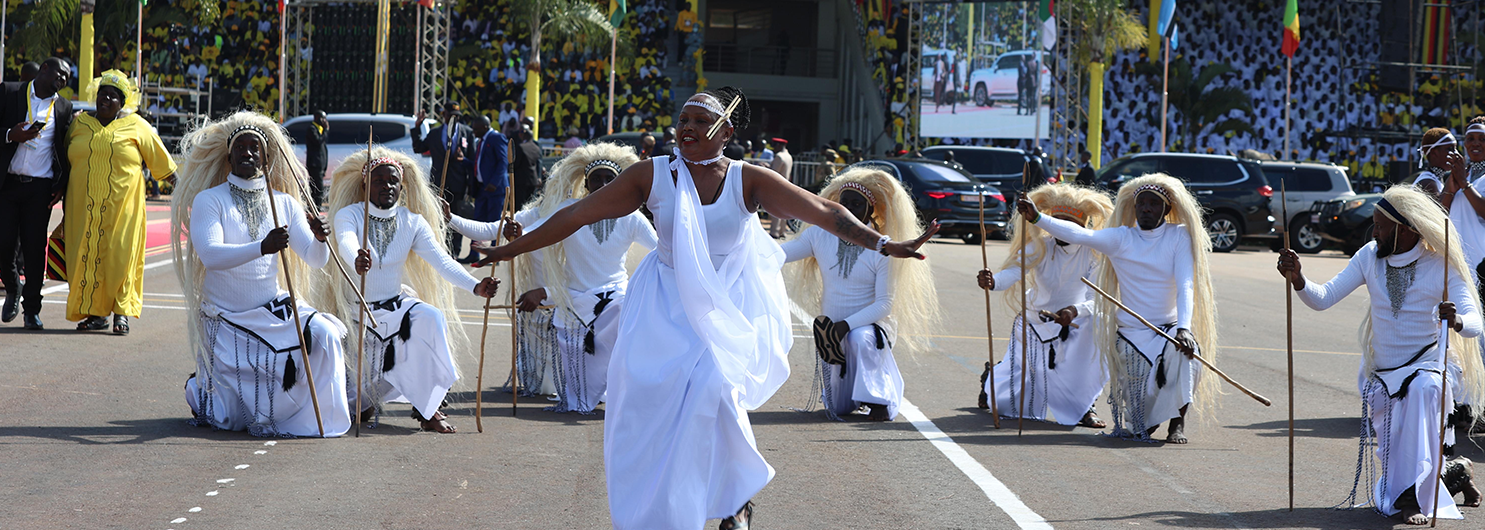
Uganda’s Cultural Heritage
Step into Uganda’s vibrant cultural world shaped by royal kingdoms, traditional communities, music, dance, and storytelling. This immersive guide explores how Uganda’s living heritage comes alive in daily life—from local markets and craft traditions to ceremonies and cultural encounters beyond the usual tourist trail.
Uganda’s Culture: A Story You Can Step Into

Uganda’s beauty is often described through its landscapes and wildlife, but its cultural identity is just as powerful. This is a country where tradition lives in everyday life—through language, clothing, music, and the way communities come together. From city streets to rural villages, Uganda’s heritage feels alive rather than preserved behind museum walls.
What makes Uganda culturally fascinating is its diversity. The country is home to many ethnic communities, each with distinct customs, food traditions, ceremonies, and artistic expressions. Traveling across Uganda feels like moving through different worlds, where the rhythms change, but the warmth remains constant.
For Luxafar travelers, cultural exploration in Uganda is about experiences, not just information. It’s meeting locals who proudly share their stories, understanding how history shapes modern identity, and discovering the everyday details that make Uganda feel authentic and deeply human.
Kingdom Heritage: Royal Stories and Timeless Traditions

Uganda’s traditional kingdoms remain an important part of its national identity. These royal legacies have shaped customs, leadership structures, and cultural pride across generations. The influence of kingship is still felt today through ceremonies, symbolic sites, and the way traditions are honoured within communities.
A cultural journey through Uganda often includes discovering the heritage of the Buganda Kingdom, one of the most prominent and historically significant. Royal storytelling, traditional etiquette, and preserved cultural sites offer insight into how Uganda’s past continues to influence the present. Even for first-time visitors, these experiences feel powerful and memorable.
What’s especially interesting is how these traditions coexist with modern life. Uganda does not treat heritage as something distant—it treats it as something lived. That blend of past and present makes cultural travel here feel dynamic, meaningful, and deeply immersive.
Kampala Culture: Markets, Music, and City Energy

Kampala is where Uganda’s modern personality shines brightest. It is energetic, expressive, and full of life, offering travelers a perfect introduction to the country’s social rhythm. The city’s culture is felt in its markets, street scenes, local cafés, and everyday moments of connection.
Local markets in Kampala are cultural experiences on their own. They bring together colours, spices, fabrics, crafts, and conversations that reflect the city’s diversity. Even a simple walk through a busy market becomes a sensory journey—smells of food, sounds of bargaining, and displays of handmade items create an atmosphere you won’t forget.
Music and dance are also deeply woven into Kampala’s lifestyle. From live performances to celebrations that spill into streets, the city carries joy in the way it moves. For cultural travelers, Kampala is more than a stopover—it’s where Uganda’s present-day identity comes alive.
Traditional Dress, Craft, and Creative Expression

Uganda’s craftsmanship is an essential part of its living heritage. Art is not only for galleries here; it exists in daily life through beadwork, textiles, wood carving, woven baskets, and handmade jewelry. These crafts often carry stories of identity and tradition, passed down through generations.
Traditional clothing also reflects Uganda’s cultural pride. Styles and fabrics vary across regions, and many communities still wear traditional attire during ceremonies and celebrations. Seeing these outfits in real life—paired with music, dance, and ritual—adds depth to cultural travel and creates beautiful moments for photography.
For Luxafar-style itineraries, craft experiences can be curated as meaningful encounters rather than shopping stops. Visiting artisan spaces, meeting creators, and understanding the symbolism behind designs makes the experience personal. It turns souvenirs into memories with emotional value.
Community Life: Food, Stories, and Everyday Traditions

One of the most beautiful parts of cultural travel in Uganda is the simplicity of community life. Even outside major towns, visitors are often welcomed warmly, with conversations that feel natural and genuine. It’s in these quieter places that Uganda’s hospitality feels strongest.
Food plays a major role in cultural connection. Traditional meals reflect regional identity, and sharing food becomes a way to understand lifestyle, agriculture, and local preferences. A meal in Uganda is not just about taste—it’s about togetherness, tradition, and the comfort of shared moments.
Storytelling is another cultural treasure here. Elders and locals often pass history through spoken narratives, filled with humor, wisdom, and cultural pride. These stories help travelers see Uganda beyond landmarks, offering a deeper understanding of what the country values and remembers.
Dance, Drums, and Ceremonial Spirit

Ugandan music is powerful, layered, and deeply rooted in tradition. Drumming patterns and dance performances often carry meaning tied to celebration, storytelling, and community identity. Whether performed during festivals or family gatherings, music becomes a language that connects people without words.
Dance is often expressive and energetic, reflecting both the emotion of the moment and the traditions of the region. Each community has its own styles, movements, and rhythms, making cultural performances in Uganda diverse and exciting. For travelers, witnessing these performances feels like stepping into a celebration that has existed for generations.
What’s special is that these traditions are not limited to formal shows. Uganda’s ceremonial spirit is present in everyday life—weddings, local celebrations, and community events. For visitors, these moments feel authentic, unscripted, and unforgettable.
Closing Reflections: Why Uganda’s Culture Stays With You
Uganda’s cultural richness is not something you simply observe—it’s something you experience through warmth, movement, and human connection. The country offers travelers an opportunity to explore identity through kingdoms, crafts, community life, and celebration. Every experience feels grounded, sincere, and deeply welcoming.
Unlike destinations where culture feels curated for visitors, Uganda’s heritage feels natural and alive. Traditions are not performed to impress—they are practiced with pride. That authenticity creates emotional impact, leaving travelers with memories shaped by people as much as places.
For Luxafar guests who value meaningful travel, Uganda’s cultural mosaic offers more than sightseeing. It offers insight, connection, and a sense of belonging. It is a journey into living heritage—and once you experience it, it stays with you long after you return home.
Ready To Plan
Your Tour?
Whatever you want from your Tour, Our team of expert travel designers are ready to help.


Inc. 8 The Green, Suite B, Dover, DE USA, 19901
Phone:
58 New Bedford Road, Luton, England, LU1 1SH
Phone:
News
Links
Subscribe
© 2026 LUXAFAR. Powered By IDEABOX